Guyana finalising arrangement for gas bottling and fertiliser plants
The plants are planned in the Wales zone, and the President says he wants Guyanese to be involved.
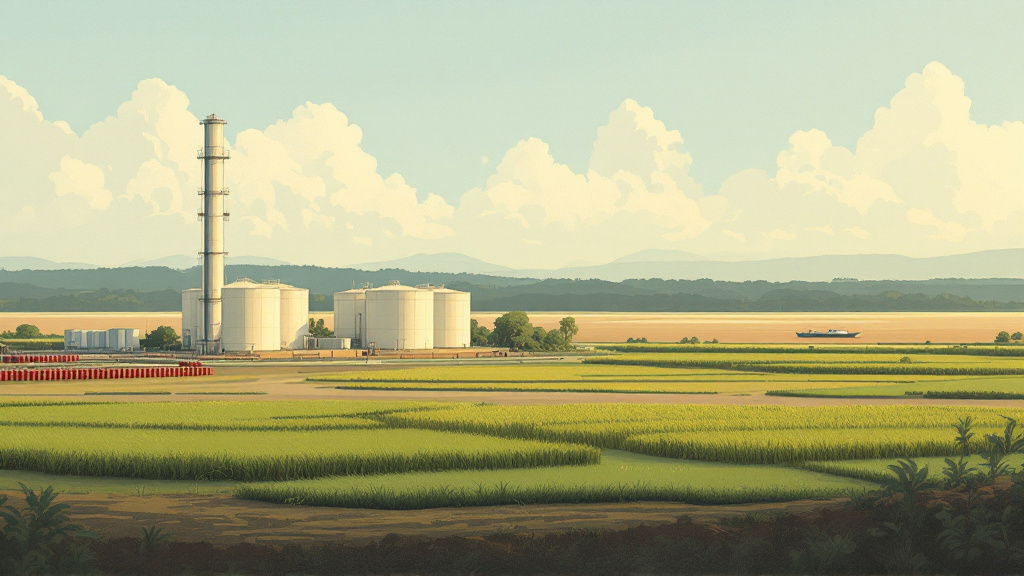
President Dr Mohamed Irfaan Ali said the government is finalising an arrangement for planned gas bottling and fertiliser projects. The Department of Public Information published his remarks on 16 November 2026. iNews Guyana also reported them that day.
The President said these are "one of the projects I want Guyanese to be involved in." In September 2026, he said a special investment vehicle would soon be launched. It would gather money from the diaspora, meaning Guyanese living abroad, for projects including the fertiliser and gas bottling plants.
Stabroek News reported that two plants are planned for Wales, West Bank Demerara. One is the Guyana Gas Bottling and Logistics Company (GGBL). The second, GAUP, is the Guyana Ammonia and Urea Plant. They would sit next to the Wales Gas-to-Energy project. The government asked for bids on engineering, procurement and construction, known as EPC. In January 2026, it moved the deadlines to 19 February for gas bottling and 5 March for the urea plant.
The government calls the Wales Gas-to-Energy project a 300 MW project and Guyana's largest infrastructure initiative. It said in May 2026 that the fertiliser plant, the gas bottling facility and a marine storage facility for natural gas liquids would create thousands of additional jobs.
Stabroek News reported that GGBL is meant to lower the price of cooking gas. The proposal said homes use the equivalent of 3 million 20-pound cylinders a year, worth $14billion at retail. GGBL would be a private company set up as a public/private partnership, with private-sector financing. The government would set it up and arrange the contracts and permits.
Stabroek News also reported on the fertiliser plant. It would draw up to 20 MMCFD of gas, or million cubic feet per day, supplied by the second phase of the Wales pipeline project. It would make 300,000 tonnes of fertiliser a year. The bid advertisement said the cost would not exceed US$300 million. The plant is expected to be ready in 2027/2028. That matches the planned finish of the second phase of the gas-to-energy plant.
The story was first reported by the Department of Public Information.